
















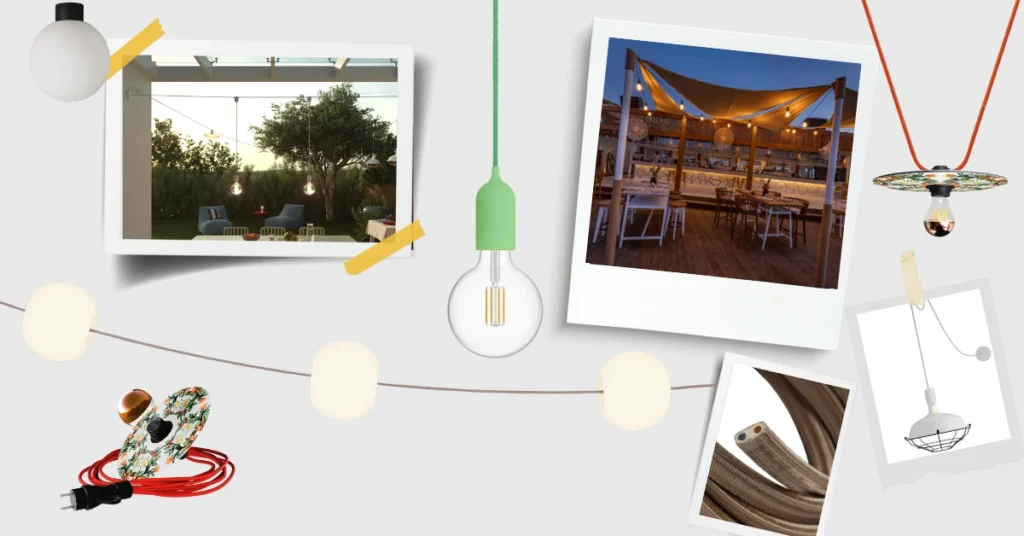
Outdoor lighting has long ceased to be just a practical necessity for seeing the path to your front door. Properly designed lighting for a garden, patio, or balcony transforms the outdoor space into an extension of your home – a place where summer evenings are extended with good company, a book, or a quiet coffee. In this guide, we offer practical advice on how to choose and arrange lighting fixtures for outdoor spaces, what to pay attention to when purchasing, and the most common mistakes to avoid.
Why is outdoor lighting important
Good outdoor lighting It has three roles: security, functional, and aesthetic. Lit paths and stairs reduce the risk of falls in the dark, sufficient light on the terrace allows for socialising even after sunset, and carefully placed lights can highlight beautiful garden details – a tree, the house facade, or a decorative element. The goal is not just to “light up” but to create an atmosphere that invites you to spend time outdoors.
Determine the zones before choosing the light fixtures
Before purchasing lighting fixtures, it is useful to divide the outdoor space into several functional zones:
- Transient surfaces – paths, approaches, steps. The emphasis here is on safety, so discreet, low-level lighting that clearly marks the edge of the path is preferred.
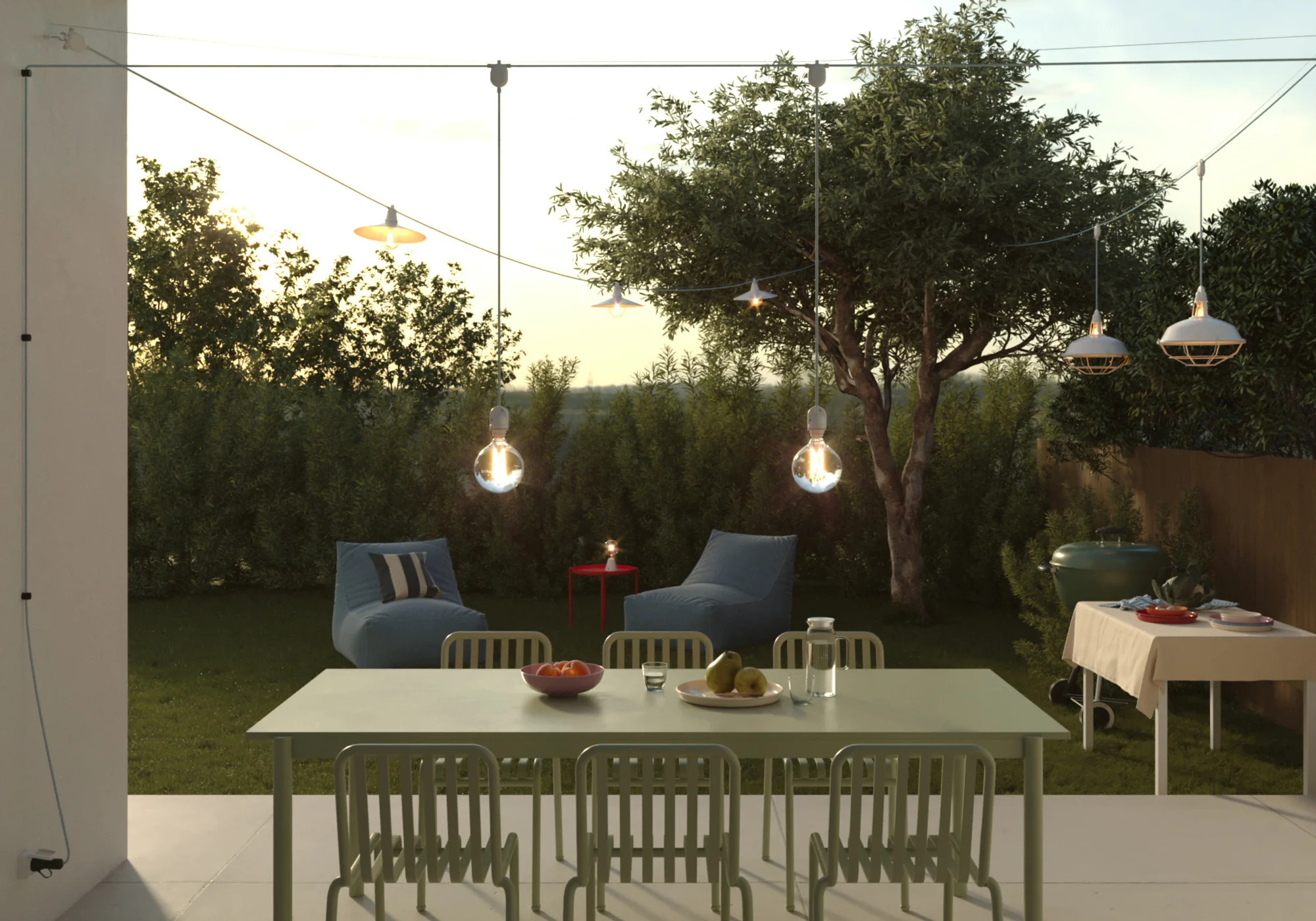
- Social zones – seating area, outdoor dining. Pleasant, warm light that doesn't dazzle, yet provides enough light for eating and conversation, is important here.
- Accent points – trees, walls, facade, decorative garden elements. Here, lighting is used for highlighting and creating atmosphere, rather than illuminating the entire space.
When you clearly define the zones, it's easier to decide how many lamps you need and what type of lighting suits each one.
Linear, pendant and edge lighting – shape space with light
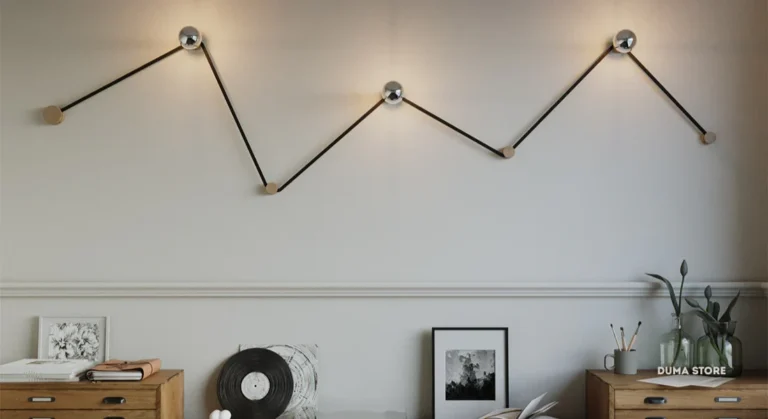
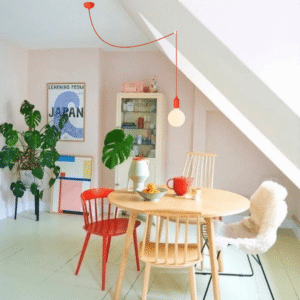
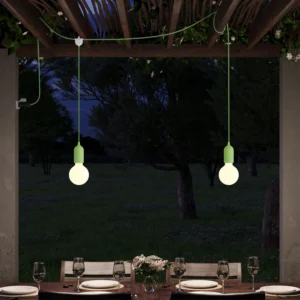
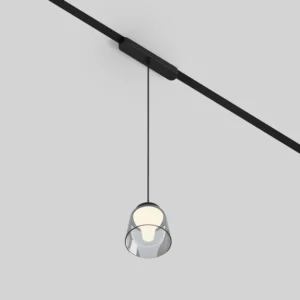
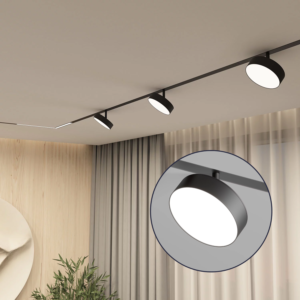
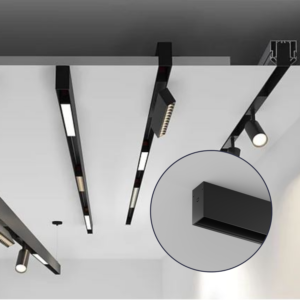
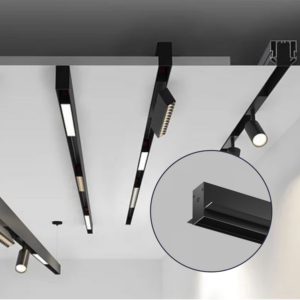
Instead of a single powerful spotlight, a more popular approach is to combine multiple smaller light sources that “paint” the space with light. Linear LED strips can highlight the edge of a patio or steps, while hanging festoon lights above a garden seating area create a warm, intimate atmosphere. Meanwhile, edge lighting along pathways guides the eye and your step without the need for invasive construction work. This approach allows for visual organisation of the space – clearly separating zones for socialising, pathways, and quiet corners for relaxation, all while keeping the lighting subtle and functional.
Degree of protection (IP) – crucial information for outdoor lighting
One of the most important, and often overlooked, aspects when choosing outdoor lighting is the degree of protection against moisture and dust, known as the IP rating (Ingress Protection). It indicates how resistant the lamp is to the elements, so it is essential to choose the right product depending on where it will be installed.
For areas directly exposed to rain and adverse weather conditions – open areas of the garden, access paths, facades without overhangs – lighting fixtures with a high degree of protection are required, at least IP65, and for use near water (pools, fountains) ideally IP67 or higher. Such luminaires are made to withstand direct contact with water and do not lose functionality even after years of exposure to the elements.
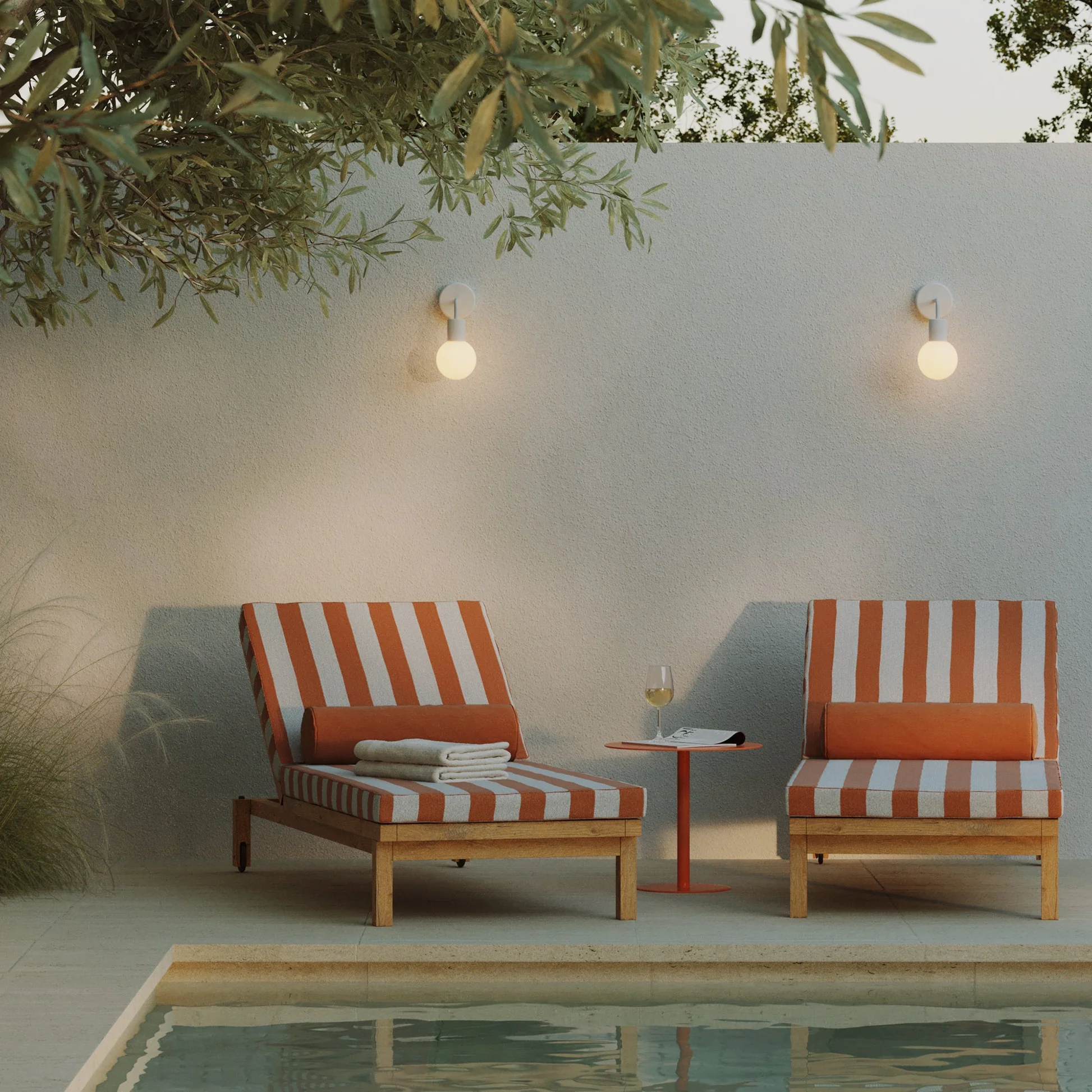
For protected areas For pergolas, porches, canopies, or covered terraces, where lighting is not directly exposed to rain, a slightly lower degree of protection, such as IP44, is sufficient. Such lighting often offers greater design and material freedom, as it doesn't have to withstand direct contact with water, making it suitable for creating a warmer, more decorative atmosphere.
Before purchasing, always check the product's IP rating and compare it with the conditions at the installation site – this is the only way for the lighting to remain safe and functional in the long term.
Colour and temperature of light
For outdoor spaces intended for relaxation and socialising, warm white light (approximately 2700–3000 K) is recommended, as it feels cosy and natural, and blends well with garden greenery. Cooler, neutral light is more suitable for work and thoroughfare areas where visibility is a priority, for example around the garage or a workshop area of the yard.
Smart Management and Energy Efficiency
LED lighting is now standard for outdoor spaces due to its low energy consumption and long lifespan. Additional convenience is provided by motion sensors, timers, and smart app control, which enable automatic lighting at dusk or upon motion detection – useful for both home comfort and security.
Most common mistakes when lighting outdoor spaces
- One strong light source instead of multiple smaller ones – creates harsh shadows and unpleasant contrast, instead of an even, pleasant atmosphere.
- Neglect of IP protection A luminaire not suitable for outdoor conditions quickly loses functionality or becomes a safety hazard.
- Too bright light in relaxation areas – a terrace or garden seating area does not need office lighting, but rather warm and subtle.
- Forgotten lighting for the driveway and stairs – safety is too often put second to aesthetics.
Illuminating outdoor spaces is best achieved when planned by zones, with careful selection of the protection rating and light temperature tailored to each part of the garden, patio, or balcony. By combining linear, pendant, and border lighting elements, it’s possible to shape the space with light without invasive interventions – and create an outdoor corner that is truly enjoyed, day and night.
Illuminating outdoor spaces is always a tricky question, so if you're unsure, pop into the DUMA store at Nova cesta 109 in Trešnjevka, or contact us, and we'll help you with advice and a concrete solution, because with us, lighting has no compromises and we always find a solution.